
Shop Your Closet: 5 Outfit Tricks to Buy Less and Wear More
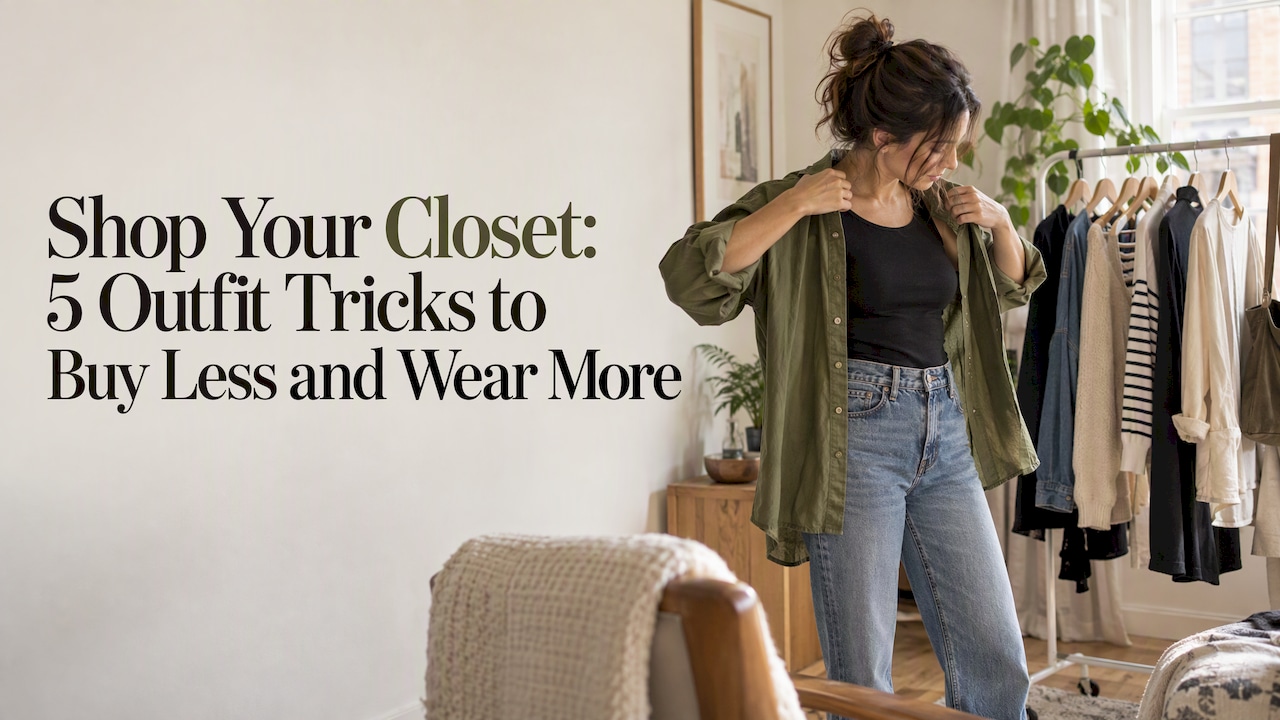
Shopping your closet means building new outfits from clothes you already own instead of buying more, and it works because most wardrobes hold far more combinations than people realize. The payoff is immediate: lower spending, less waste, and outfits you forgot you loved. Below is a practical system to start today, plus a tool like Style To Cart that makes the habit stick.
TL;DR:
- Start with 3 to 5 outfits, then test unexpected pairings, layers, proportion changes, repurposed items, and accessories; photograph combinations worth repeating.
- Sort clothes into five piles, then judge each item by fit, condition, and recent wear; repair only pieces worth a tailor’s cost.
- The EPA estimated that Americans generated 17 million tons of textile waste in one year, and only 14.7% of it was recycled.
- Follow care labels and sort laundry by fabric and weight; mend loose buttons at home, but take resizing and sleeve alterations to a tailor.
- Photograph successful outfits and review which ones you would repeat; the resulting gaps guide future purchases better than impulse shopping.
Table of Contents
- Quick actionable steps to start shopping your closet today
- Wardrobe audit checklist: what to keep, mend, donate, or store
- Practical styling techniques and outfit formulas you can reuse
- Care, repair, and tailoring tips to make more items wearable
- Mini projects and challenges to practice and build the habit
- Why remixing beats impulse buying
- How Style To Cart helps you save outfits and shop intentionally
- FAQ
- Sources
Quick actionable steps to start shopping your closet today
You don’t need a free weekend to start. A focused session can reset how you see everything hanging in your closet right now.
- Pull everything out and sort it into visible groups by category: tops, bottoms, layers, shoes, accessories.
- Build 3 to 5 starter outfits by combining one item from each group, even if the pairing feels obvious at first.
- Push each outfit further using five core tactics before you call it done.
Those five tactics do most of the heavy lifting:
- Pair pieces you wouldn’t normally combine, like a structured blazer with a casual graphic tee.
- Layer a piece you usually wear alone, such as a sundress over a turtleneck.
- Change proportions by tucking, belting, or cuffing to shift how an outfit sits on your body.
- Repurpose items outside their original use, like a scarf as a belt or a shirt as a layering piece under overalls.
- Refresh with accessories: a different bag, belt, or jewelry can make a repeated outfit look new.
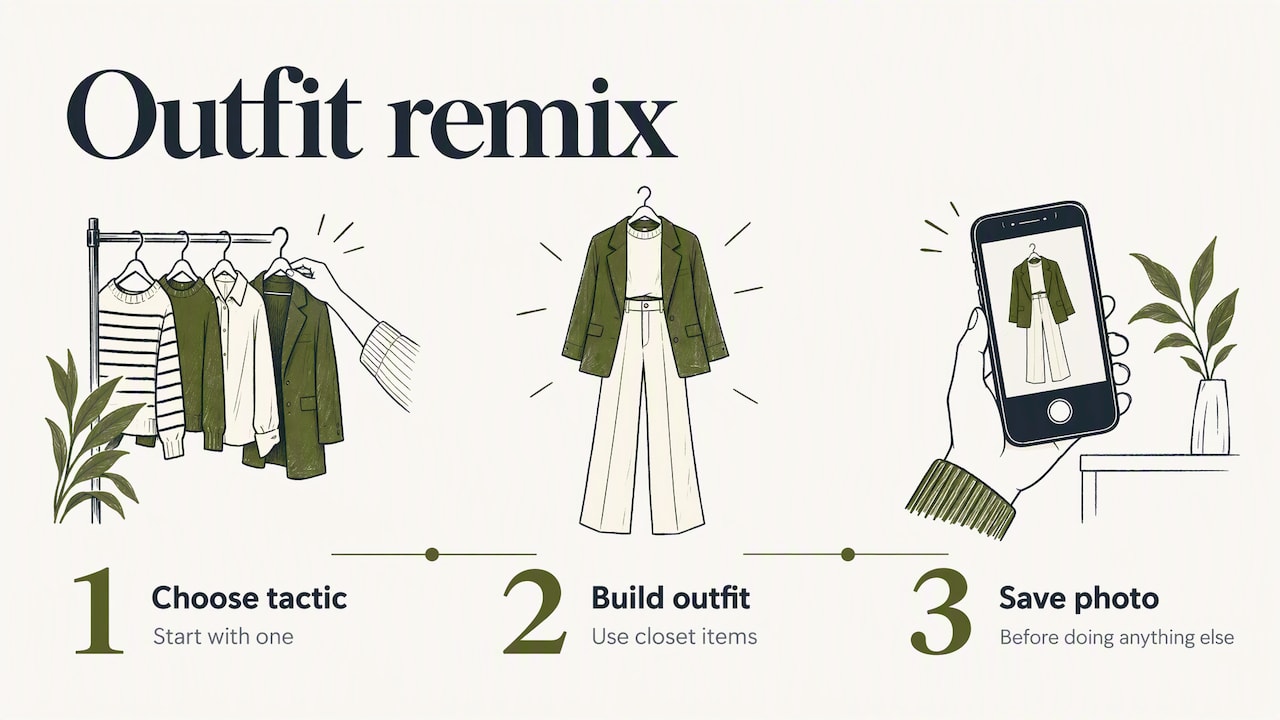
Once you land on a combination worth repeating, photograph it. Save the image to your phone’s album, a mood board, or a dedicated app so you’re not relying on memory every morning. This single habit is what turns a one-time styling session into a repeatable wardrobe system.
Wardrobe audit checklist: what to keep, mend, donate, or store
Before you can shop your closet effectively, you need an honest read on what’s actually in it. A quick audit, item by item, keeps you from either over-purging or holding onto clothes that no longer serve you.
For each piece, check three things:
- Fit: does it sit well on your body as it is right now?
- Condition: are there stains, pilling, loose threads, or stretched-out seams?
- Frequency: have you worn it recently?
For anything borderline, use a simple heuristic from sustainability journalist Alden Wicker: ask whether the piece is worth taking to a tailor. If the fabric and construction don’t justify the cost of repair, it probably won’t hold up for the long run anyway.
Sort everything into five piles: keep, mend or alter, donate or sell, seasonal storage, and maybe. Revisit the maybe pile later with fresh eyes.
Pro Tip: Photograph each “keep” item on a hanger so you have a visual inventory to style from later, especially useful if you’re also working through building a closet you actually wear.
Practical styling techniques and outfit formulas you can reuse
A handful of formulas can turn a small rotation of basics into dozens of distinct looks. The trick is combining one dependable base with a single standout element.
Try these repeatable combinations:
- One neutral base plus one statement piece: plain trousers with a bold jacket or patterned top.
- Monochrome layering: two or three shades of the same color worn together for depth without pattern clash.
- High-low pairing: a dressy piece with something casual, like a silk blouse tucked into worn denim.
- Texture mixing: pair smooth fabrics like silk or leather with something nubby, like knit or corduroy.
- Proportion play: swap a full tuck for a half-tuck, add a belt, or layer a cropped piece over something longer to reshape the silhouette entirely.
Designer Willi Smith built a career on simple, versatile pieces specifically so wearers could mix them with whatever else was already in their closets, treating the person getting dressed as a co-creator rather than a passive customer. That mindset applies directly here: your basics are the background, and the styling choice is yours to make.
The textile waste problem makes this more than a styling exercise. The EPA estimated that Americans generated 17 million tons of textile waste in a single year, with only 14.7 percent of it recycled. Every outfit you remix instead of replace is a small subtraction from that total.
Photograph each formula once it works, and you’ll build a personal lookbook you can scroll through on busy mornings instead of starting from scratch.
Care, repair, and tailoring tips to make more items wearable
Clothes last longer when small problems get fixed before they become reasons to toss something out.
A few repairs are worth learning at home:
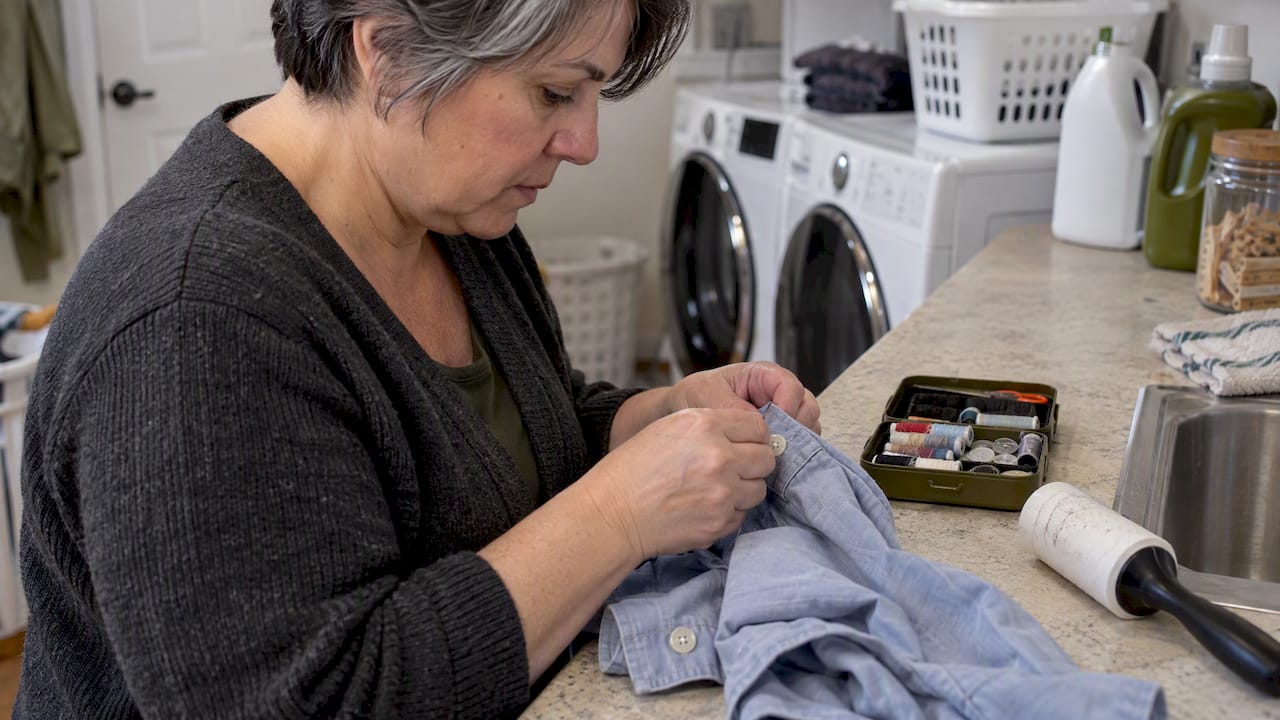
- Sewing a loose button back on is a simple repair you can do with a basic needle and thread kit.
- Hemming a small fray or closing a seam split can usually be done without a sewing machine.
- Anything involving structural tailoring, like resizing a waistband or shortening sleeves, is worth taking to a professional.
Laundry habits matter just as much as repairs. Consumer Reports guidance recommends sorting loads by fabric type and weight and following the care label instead of guessing, since the wrong cycle or water temperature is a common cause of premature wear.
Before replacing anything, return to the tailor question from Wicker’s advice: is this piece worth the cost of repair? When the answer is yes, a mend can help you get more wear from an item, which quietly lowers its cost per wear every time you put it back on.
Pro Tip: Keep a small sewing kit and a lint roller in the same drawer as your laundry supplies so minor fixes happen before small damage turns into a reason to toss something out.
Mini projects and challenges to practice and build the habit
Small, structured challenges build the skill faster than trying to overhaul your whole wardrobe at once.
- Try a “forgotten item” challenge: build an outfit around a piece you haven’t worn recently.
- Build a capsule wardrobe using a simple template with a mix of tops, bottoms, layers, and shoes, and see how many distinct outfits you can create.
- Document each look with a quick photo, whether in a camera roll album, a mood board, or a styling app.
- Review the results afterward and note which combinations you’d actually repeat.
That review step matters most. It tells you exactly which gaps are real before you spend money filling them, which is the whole point of checking a wardrobe staples checklist before adding anything new.
Why remixing beats impulse buying
I’ve spent plenty of mornings staring at a full closet convinced I had nothing to wear, until I forced myself to pull three items I’d stopped seeing and build something new. That one habit saved more money than any sale ever did.
Incremental remixing beats impulse buying because it builds skill you keep using, while a new purchase only solves today’s outfit problem. Start with one tactic from this guide, build one outfit, and save the photo before you do anything else.
— Wendy
How Style To Cart helps you save outfits and shop intentionally
We built Style To Cart as a home base for saving clothing items, styling outfits with pieces you own, and keeping shopping decisions deliberate instead of impulsive.
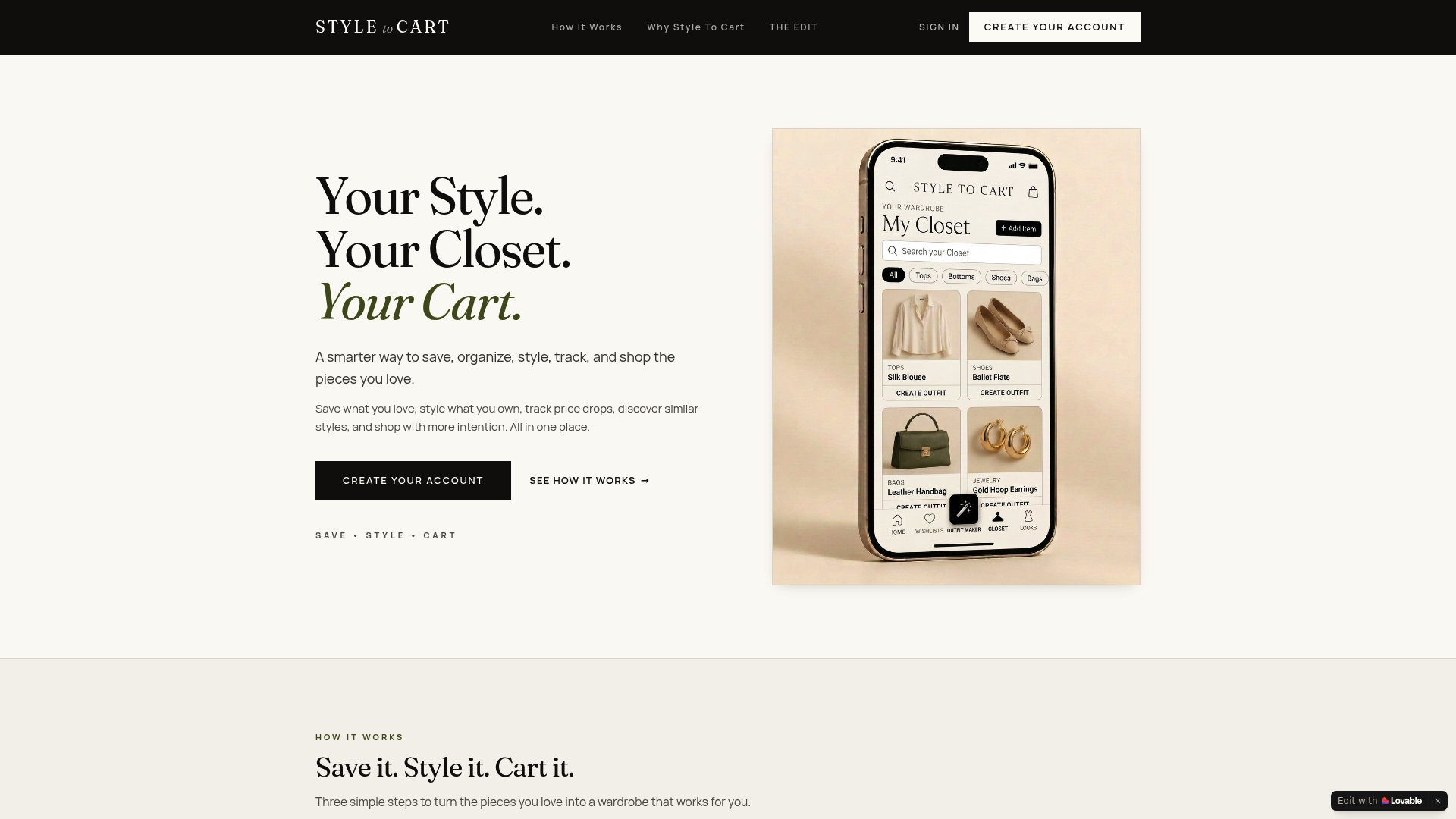
Once your closet audit and outfit formulas are in place, we help you organize saved items and outfit ideas:
- Save clothing items from any store in one centralized wishlist instead of scattered screenshots.
- Track price drops on items you’re considering, so you buy only when the timing works in your favor.
- Upload an outfit photo to find similar styles, making it easier to fill a real gap instead of guessing.
If you’ve been using a mood board to plan outfits, pairing that habit with our outfit mood board approach and an app built for tracking makes the next step easier. Visit the Style To Cart landing page for current details.
FAQ
What does it mean to “shop your closet”?
It means building outfits from clothes you already own rather than buying new pieces. The goal is to rediscover combinations you haven’t tried, which saves money and reduces the amount of clothing you discard.
How do I start a closet audit without feeling overwhelmed?
Pull everything out at once and sort it into five simple piles: keep, mend or alter, donate or sell, seasonal storage, and maybe. Checking fit, condition, and how often you’ve worn each piece in the last year keeps the process quick and objective.
How do I know if an item is worth repairing instead of replacing?
Ask whether the piece is worth the cost of a tailor visit, a heuristic recommended by sustainability journalist Alden Wicker. If the fabric and construction can’t justify the repair cost, it likely won’t last much longer anyway.
What’s a simple way to organize small accessories while refreshing outfits?
A labeled, compartmentalized drawer system makes small items like scarves, jewelry, and hair accessories easy to see and use. Testing a tray or divider setup, like the ones covered in this drawer organization guide, can make those pieces part of your outfit rotation instead of forgotten clutter.
How can an app help me shop my closet more effectively?
An app that centralizes saved items, tracks price drops, and lets you organize outfit photos removes the guesswork of remembering what you own. Style To Cart is built specifically for that purpose, letting you style outfits with pieces you own and shop with intention instead of impulse.
Sources
- Fashion Designer Willi Smith Looked to the Streets for Inspiration and Appreciation
- Ways to Make Sustainable Fashion the Real MVP of Your Wardrobe - Consumer Reports
- Textiles: Material-Specific Data | US EPA