
thursday · Low-budget consumer fashion
Budget Outfit Planning: Wear What You Own, Buy Only What Helps
A practical Thursday-to-Saturday plan for refreshing everyday outfits, testing comfortable combinations, and keeping any new purchases under a $200 total budget.
September 17, 2026
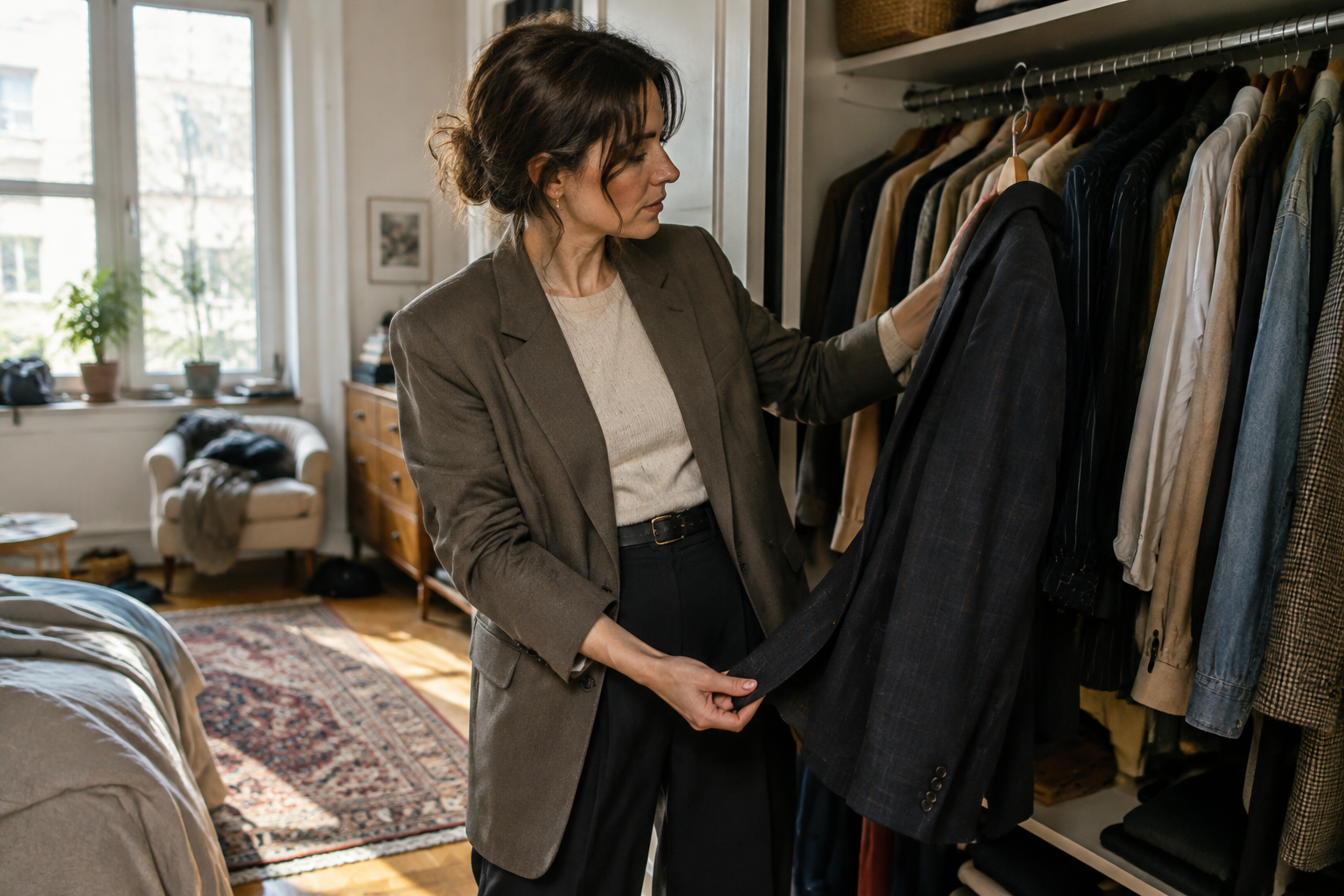
Start with your closet, try three realistic outfit formulas, and shop only for a clearly identified gap. This Style To Cart guide puts comfort, repeat wear, and your actual budget first.
Thursday: Build Three Outfits Before You Buy Anything
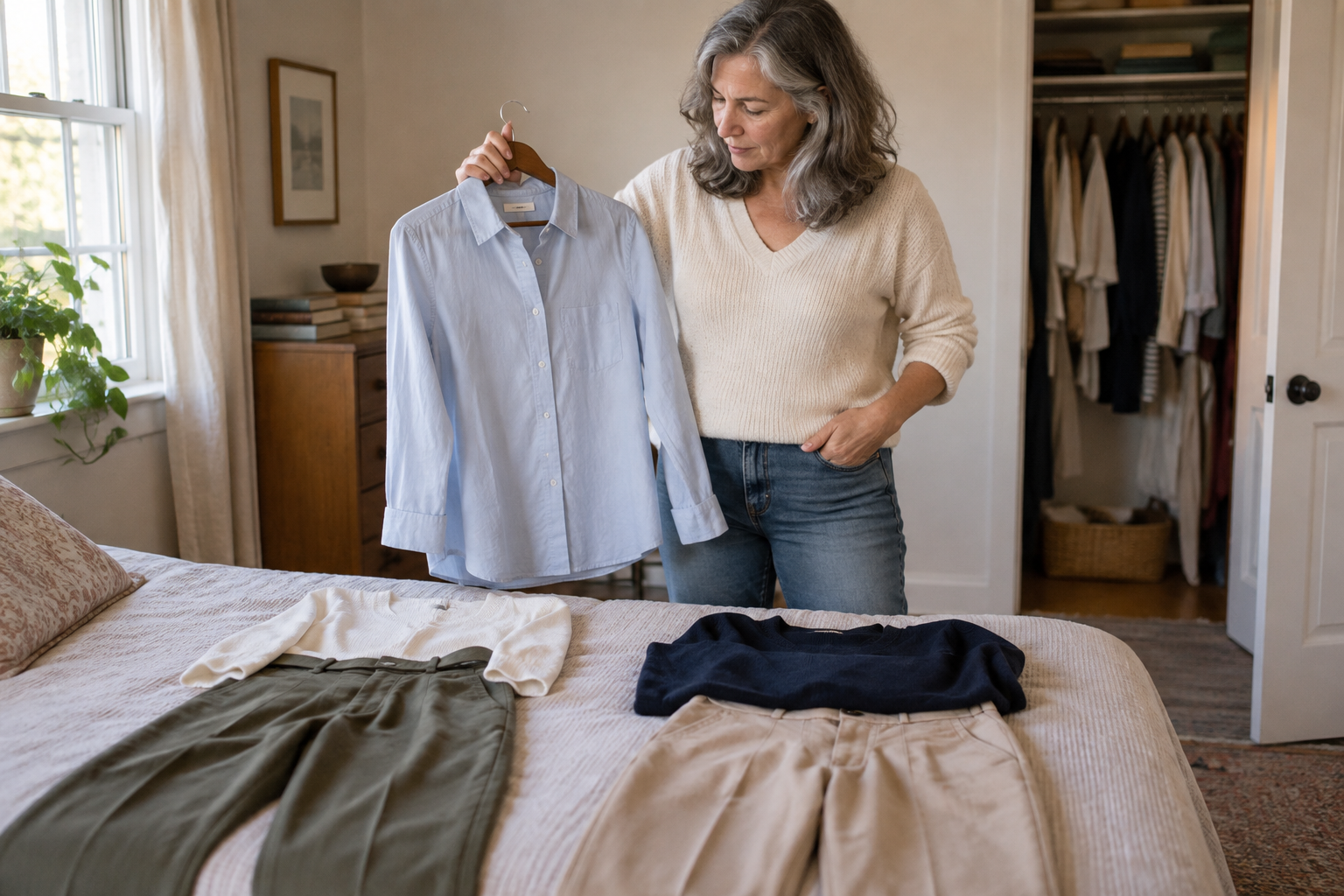
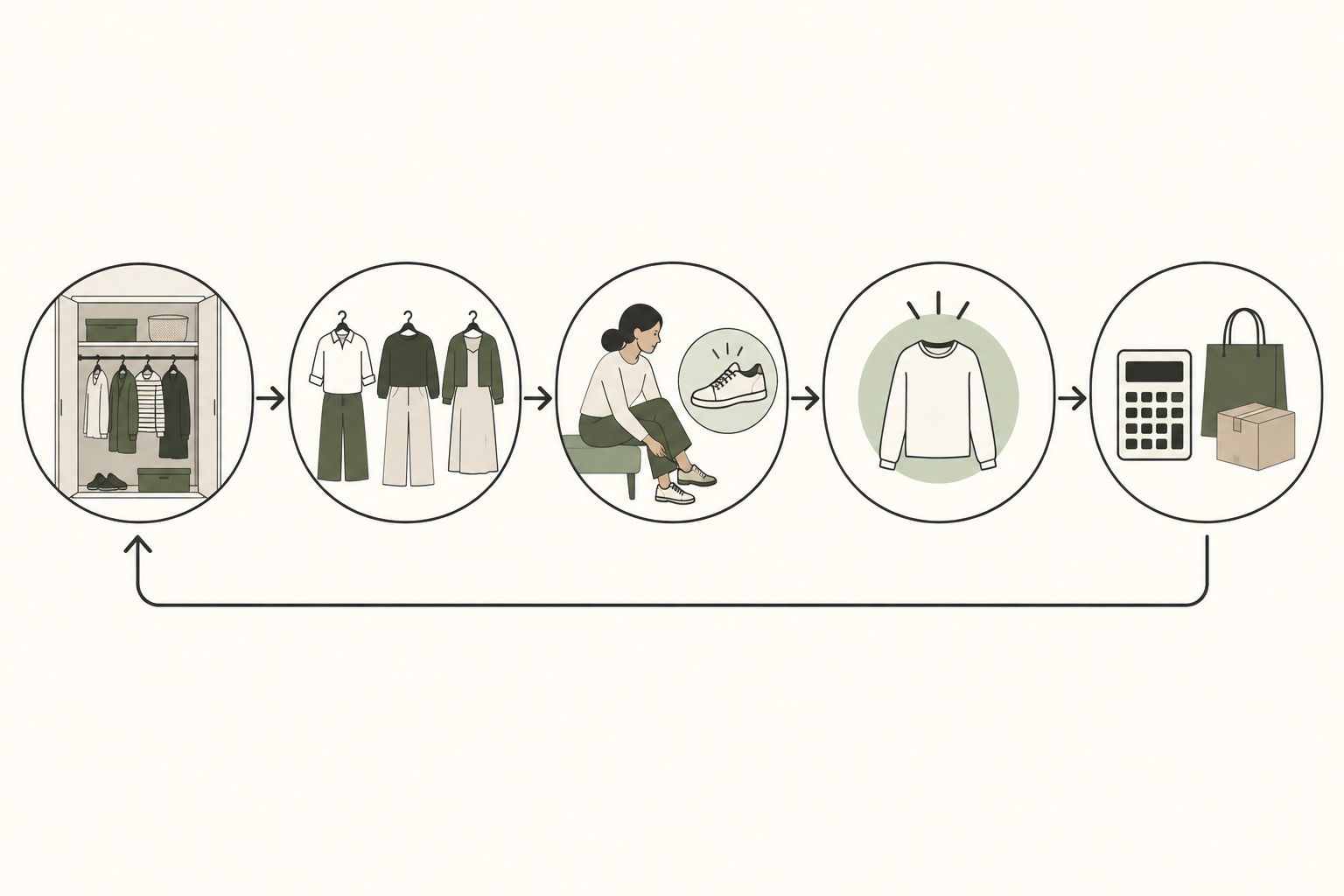
Start today, Thursday, September 17, with a short closet check—not a shopping search. Pull out two bottoms you comfortably wear, three tops, one useful layer, and your most walkable shoes. Choose pieces that fit your current body and suit the weather where you live. Try a top with each bottom, then add the layer. Before calling an outfit finished, sit down, reach forward, and walk around: a combination that needs constant adjustment is unlikely to become an everyday favorite.
Make three outfits for plans you actually have, such as work, errands, and a casual meal. Photograph each combination and note anything that genuinely prevents you from wearing it: an uncomfortable shoe, a missing coverage layer, or a hem that needs attention. A repair or a different pairing may solve the problem without a new purchase. Use Style To Cart’s /closet as your next stop for closet planning, and keep any shopping list tied to these specific outfits rather than a vague wish for something new.
Friday: Test Easy Outfit Formulas for Real Life
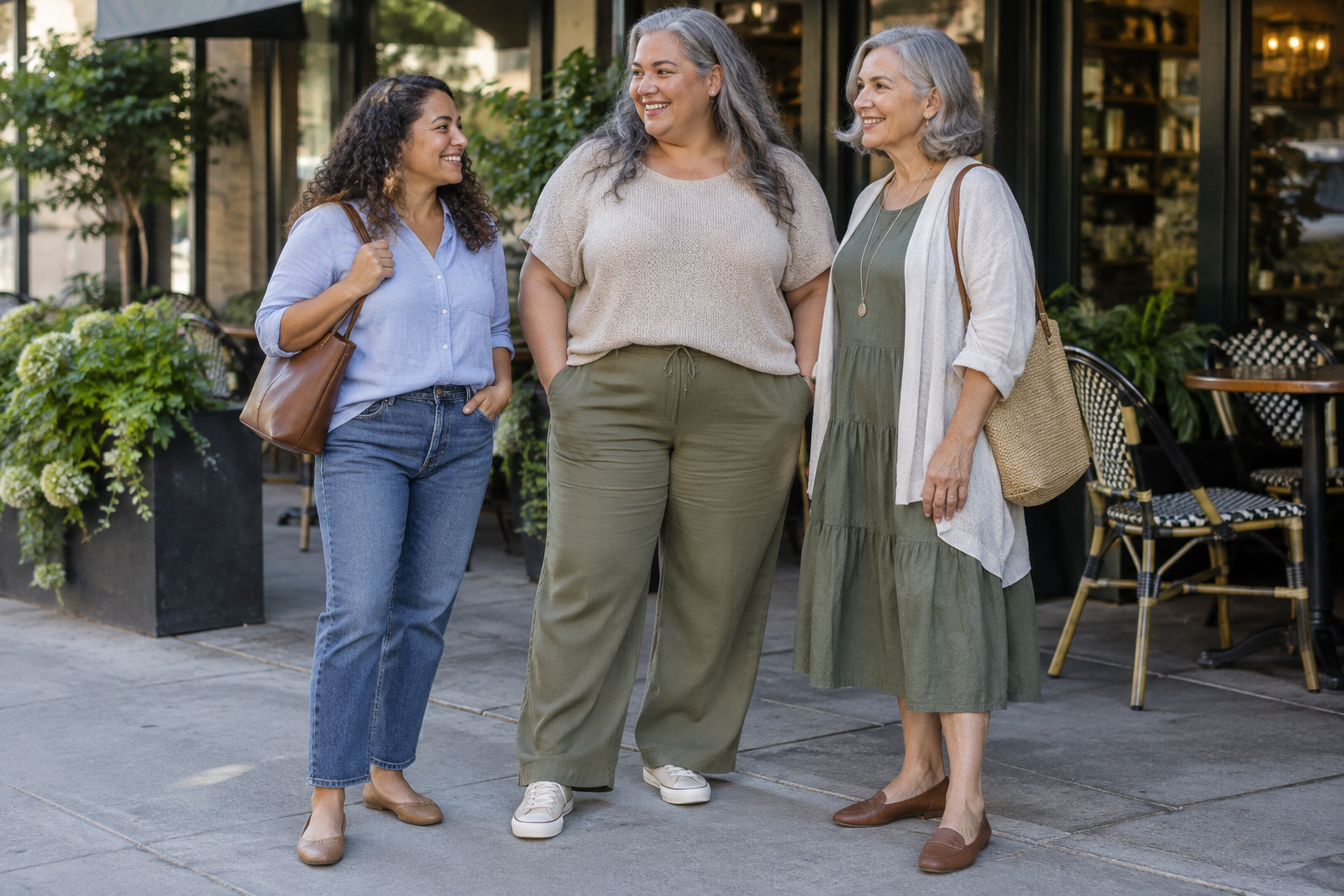
For Friday, try one of three flexible formulas: straight-leg jeans with a relaxed shirt and comfortable flats; easy trousers with a knit top and clean sneakers; or a simple dress with a lightweight layer and supportive shoes. These are starting points, not age rules. Adjust the sleeve length, neckline, coverage, and shoe shape to your preferences. If you like definition, experiment with a partial tuck or an existing belt; if you prefer an uninterrupted line, leave the top untucked and check that the proportions feel right to you.
Wear your chosen outfit through a normal part of the day before deciding it needs an upgrade. Notice whether the waistband feels comfortable when seated, the bag holds your essentials, and the shoes work for your usual walking. Repeating a successful outfit is a sensible budget strategy; changing an existing scarf, earrings, or outer layer can provide variety. The generated photography accompanying this section illustrates fictional adult women with different ages, bodies, and personal styles—not named customers, testimonials, or evidence that particular products fit everyone.
Saturday: Shop for One Useful Gap Under $200

If Saturday’s outfit review reveals a genuine gap, set your own spending limit below $200 for the entire purchase, including tax and delivery—not $200 per item. You do not need to spend the full amount. Focus on one category: everyday tops if your bottoms lack workable partners, trousers or jeans if your current pairs are uncomfortable, a washable layer if your outfits need coverage, or everyday shoes if comfort is the limiting factor. These are category-level shopping suggestions, not claims that any specific product is available within budget. Verify current retailer prices before buying, and include any alteration or return-shipping costs in your decision.
Evaluate the details that affect use: fabric and care instructions for tops and layers; rise, inseam, and seated comfort for bottoms; and secure fit, toe room, and comfort on your feet for shoes. Compare the final checkout cost rather than the advertised discount. For secondhand options, request measurements and clear condition photos, and check whether returns are allowed. Save a short list through Style To Cart’s /my-picks as a useful next step, then choose only an item that works with several pieces you already own. If nothing meets your fit, care, and budget requirements, waiting is a successful outcome.
Quick answers
- How can I refresh my outfits without spending money?
- Build new combinations from comfortable pieces you own. Try a different layer, tuck, shoe, or accessory, then photograph the outfits you want to repeat.
- What should I buy first on a limited clothing budget?
- Buy for the gap that stops you wearing existing clothes. Prioritize fit and practical use over adding another item similar to something you already have.
- How do I keep a Saturday shopping trip under $200?
- Set a total limit below $200, including tax, delivery, and any necessary alterations. Compare category options, verify current retailer prices, and buy fewer items if needed.
- Is secondhand clothing always the cheapest choice?
- No. Shipping, alterations, condition, and return restrictions can change the value. Compare the total cost and check measurements before buying.
- Are the women in the Friday images real customers?
- No. The images are generated editorial illustrations of fictional adult women, not customer photographs or testimonials.
Continue your edit
Sources & further reading
 Sources selected and reviewed by Wendy Pilch · wendypilch.com