
Wardrobe Staples Checklist: The 3 Outfit Test Before You Buy
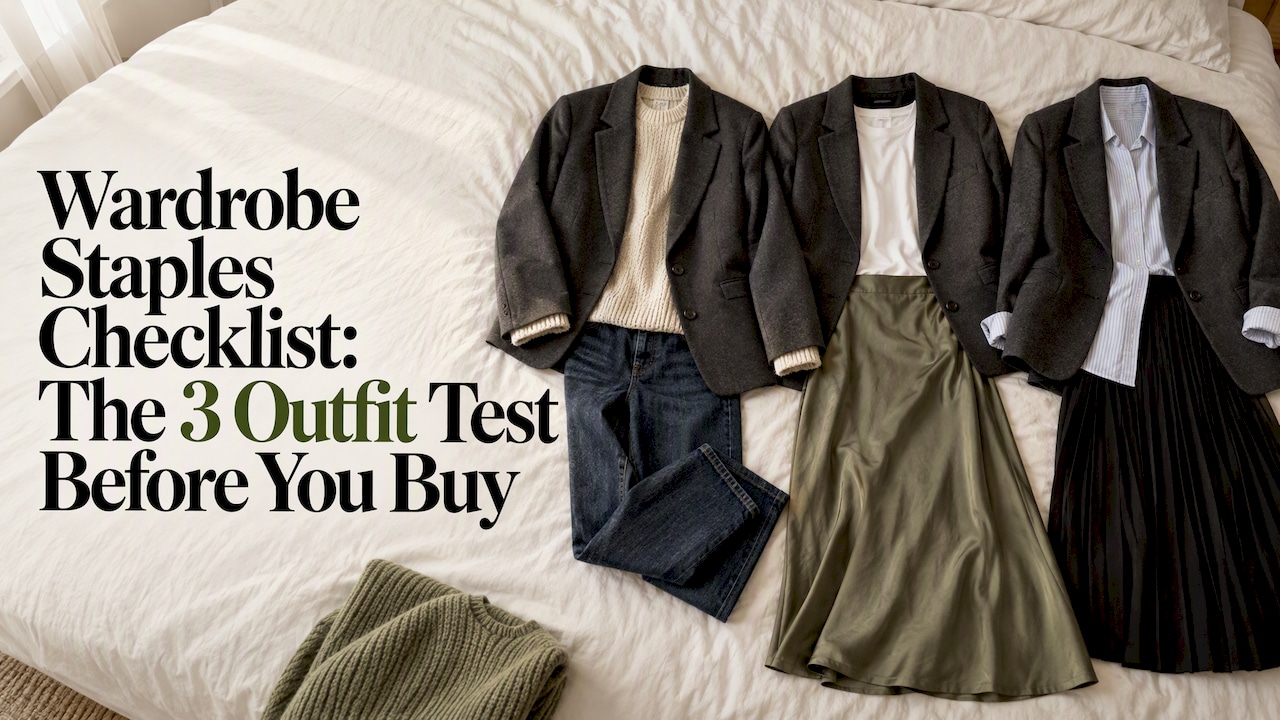
This checklist covers core pieces that form a versatile wardrobe, formatted as a numbered list with styling notes and fit tips for each one, plus a printable cheat sheet in both compact and extended versions. Use it as a reference while you audit your closet, not a shopping list to clear in one trip. Check off what you already own, then fill gaps in order.
TL;DR:
- Spend 10 to 20 minutes pulling items worn in the last two weeks; use that pattern, not trends, to identify actual wardrobe gaps.
- Fill basics first, then invest in coats, bags, or boots; buy a piece only when it coordinates with at least three items you already own.
- Price alone does not predict garment life: check flat seams, reinforced stress points, and tight stitching, then wash cold and air dry structured pieces.
- Test three tops, three bottoms, and three pairs of shoes on repeat for a set period to identify which pieces you actually reach for.
- Save coats, boots, and blazers to a wishlist and watch for seasonal price drops; buy everyday basics when a genuine wardrobe gap needs filling.
Table of Contents
- 1. The 24 pieces every versatile wardrobe needs
- 2. How to turn this list into a working capsule
- 3. Choosing fabric and fit that actually last
- 4. Shopping smart and keeping staples in rotation
- 5. Printable checklists for compact or extended wardrobes
- 6. Stylist-tested rules behind this checklist
- 7. Using saved items from Style To Cart in your planning
- 8. Tracking price drops before you buy
- 9. A week of outfits built from eight staples
- Build and track your checklist with Style To Cart
- FAQ
- Sources
1. The 24 pieces every versatile wardrobe needs
A good wardrobe checklist does two jobs: it tells you what to own and how those pieces combine. Each entry below includes why it earns a spot, one outfit formula, and a quick fit or fabric note.
- White crew-neck tee. The reset button for half your outfits. Pair with dark jeans and a blazer for instant polish. Choose a mid-weight cotton (around 180-200 GSM) so it does not go sheer.
- Fitted dark-wash jeans. The most forgiving bottom you own, worn with everything from sneakers to loafers. Look for a straight or slim-straight cut with at least 2% stretch for shape retention.
- Tailored blazer. Turns a tee and jeans into a meeting-ready outfit in seconds. A single-button, slightly structured shoulder works across more body types than a boxy cut.
- Neutral crew-neck sweater. Layer over a collared shirt or wear alone with trousers. Merino or a merino-cotton blend resists pilling better than acrylic.
- Classic button-down shirt. Works tucked into trousers, knotted over a dress, or open as a layer. A cotton poplin holds a crisp line; oxford cloth is softer and more forgiving.
- Trench or structured coat. The outer layer that elevates everything underneath. Cotton gabardine trenches resist wind and light rain without the bulk of wool.
- Versatile midi or shirt dress. One-piece outfits save decision time on busy mornings. A wrap or shirt-dress silhouette flatters more shapes than a fitted sheath.
- Tailored trousers. The office counterpart to jeans. A slight taper at the ankle reads modern without looking skinny.
- White sneakers. Pair with jeans, dresses, or trousers for an off-duty finish. Leather or canvas uppers outlast synthetic mesh.
- Loafers or ballet flats. The flat shoe that still looks put-together. Choose a leather or quality faux-leather upper for shape retention.
- Ankle boots. Bridges casual and dressy outfits across three seasons. A block heel adds versatility over a stiletto.
- Simple camisole or tank. The layering piece under blazers, sweaters, and sheer tops. A silk or silk-blend version drapes better than cotton for layering.
- Lightweight turtleneck. Adds warmth under blazers and dresses without bulk. Fine-gauge knits layer more easily than chunky cable knits.
- Denim jacket. The casual layer that works over dresses and under coats. Rigid denim holds shape longer than stretch denim over time.
- Midi skirt. Pair with the turtleneck and boots, or the tee and sneakers. A-line cuts flatter more body types than pencil skirts.
- Leather or quality faux-leather belt. Defines the waist on dresses, trousers, and jeans alike. Match the hardware finish to your most-worn shoes.
- Structured handbag in a neutral tone. Carries from desk to dinner without clashing. Top-grain leather or a quality vegan alternative holds shape longer than canvas.
- Everyday bra and underwear basics. The foundation layer that affects fit on everything above it. Replace bras every six to twelve months as elastic fatigues.
- Neutral socks and hosiery. Small, but they finish an outfit and affect shoe comfort. Cotton-blend socks breathe better for daily wear than full synthetic.
- Wool or wool-blend overcoat. A dressier alternative to the trench for cold months. Look for a wool content of 70% or higher for warmth and drape.
- Scarf in a versatile pattern or neutral. Adds color or texture without a new outfit. Lightweight wool or cotton works across three seasons.
- Statement piece (one bold coat, print dress, or bag). The piece that makes an outfit feel current without replacing basics. Rotate seasonally rather than buying new ones often.
- Workout or athleisure set. Doubles as errand-running and actual exercise wear. Moisture-wicking blends outlast plain cotton for this use.
- Pajama or loungewear set. Not outfit-building, but part of a complete wardrobe audit. Breathable cotton or modal holds up better to frequent washing.
2. How to turn this list into a working capsule
Owning the right pieces means nothing if they sit unworn. Converting a checklist into a capsule wardrobe starts with an honest look at what you already reach for.
Spend 10 to 20 minutes pulling every item you have worn in the last two weeks and laying it out. Patterns usually show up fast: a handful of tops and bottoms doing most of the work, while entire sections of the closet go untouched. That pattern is your real wardrobe, and it tells you more about what to buy next than any trend list.
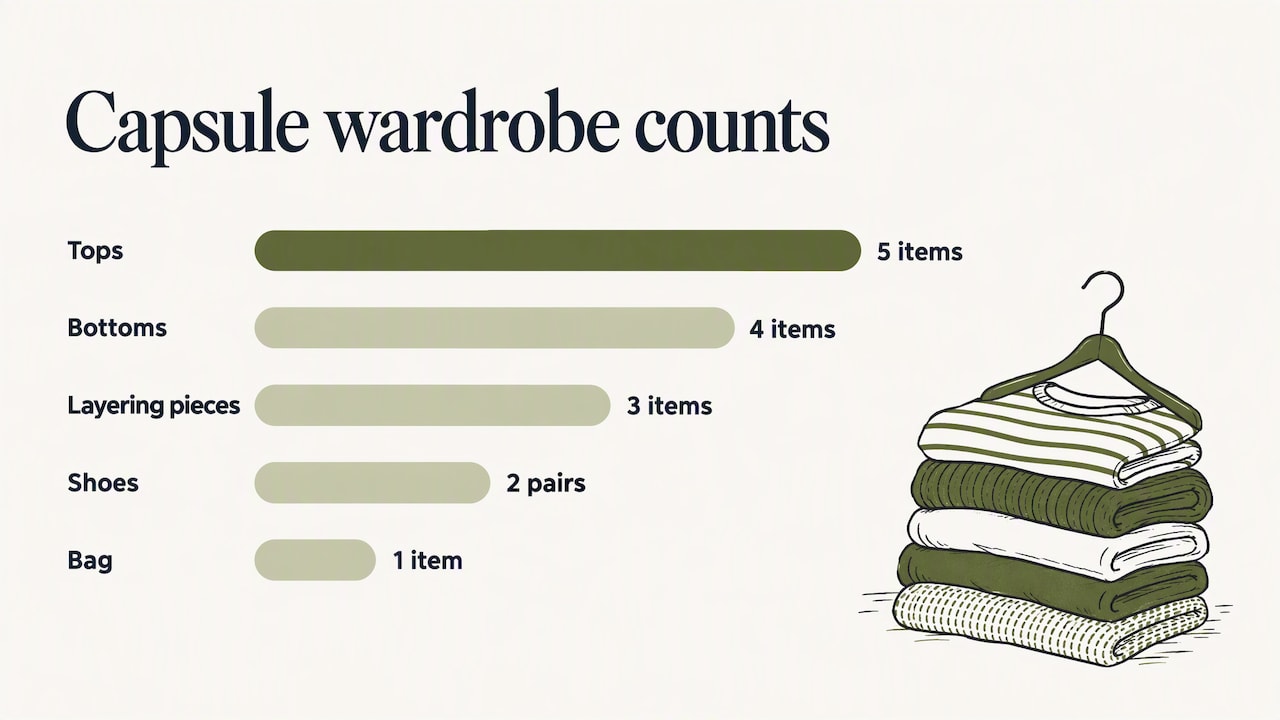
Two popular frameworks help structure the next step. The 5-4-3-2-1 method asks you to count five tops, four bottoms, three layering pieces, two pairs of shoes, and one bag, scaled to your actual week. The 3-3-3 rule works differently: pick three tops, three bottoms, and three pairs of shoes you commit to wearing on repeat for a set stretch, which forces you to notice what you genuinely reach for versus what just looks good on a shelf.
Buying sequence matters as much as the list itself:
- Fill basics first: tee, jeans, blazer, and one versatile shoe before anything seasonal.
- Add investment pieces next: a coat, quality handbag, or boots that cost more but hold shape and resale value.
- Save seasonal or statement pieces for last, once the foundation is solid.
Before any purchase, run it through a simple check: does this item coordinate with at least three things I already own? This is sometimes called a buy-to-match-3 rule, and budget outfit planning built around existing pieces is one of the fastest ways to stop impulse buys from piling up unused.
Pro Tip: Before buying anything new, name three outfits you would wear with it. If you can’t, skip it.
3. Choosing fabric and fit that actually last
Price tags are a weak signal for how long a garment will survive your closet. A controlled study on garment longevity found that higher-priced T-shirts generally performed better across repeated laundering tests, but the relationship was not absolute. Several lower-cost items held up as well as pricier ones, which means construction quality is a more reliable buying cue than the number on the price tag alone.
Look for these details before you buy, in person or in product photos:
- Seam finishes that lie flat without fraying threads visible at the edges.
- Reinforced stress points at pockets, button placements, and underarms.
- Stitch density tight enough that you cannot see daylight through the seam.
- Fabric weight listed in GSM or ounces, since lighter weights often wear through faster.
Fabric choice should match the role each staple plays. Mid-weight cotton suits everyday tees, while a merino or merino-cotton blend resists pilling in sweaters better than pure acrylic. Wool remains the standard for coats because it holds shape and insulates without excess bulk, and full-grain leather outperforms bonded leather in shoes over years of wear.
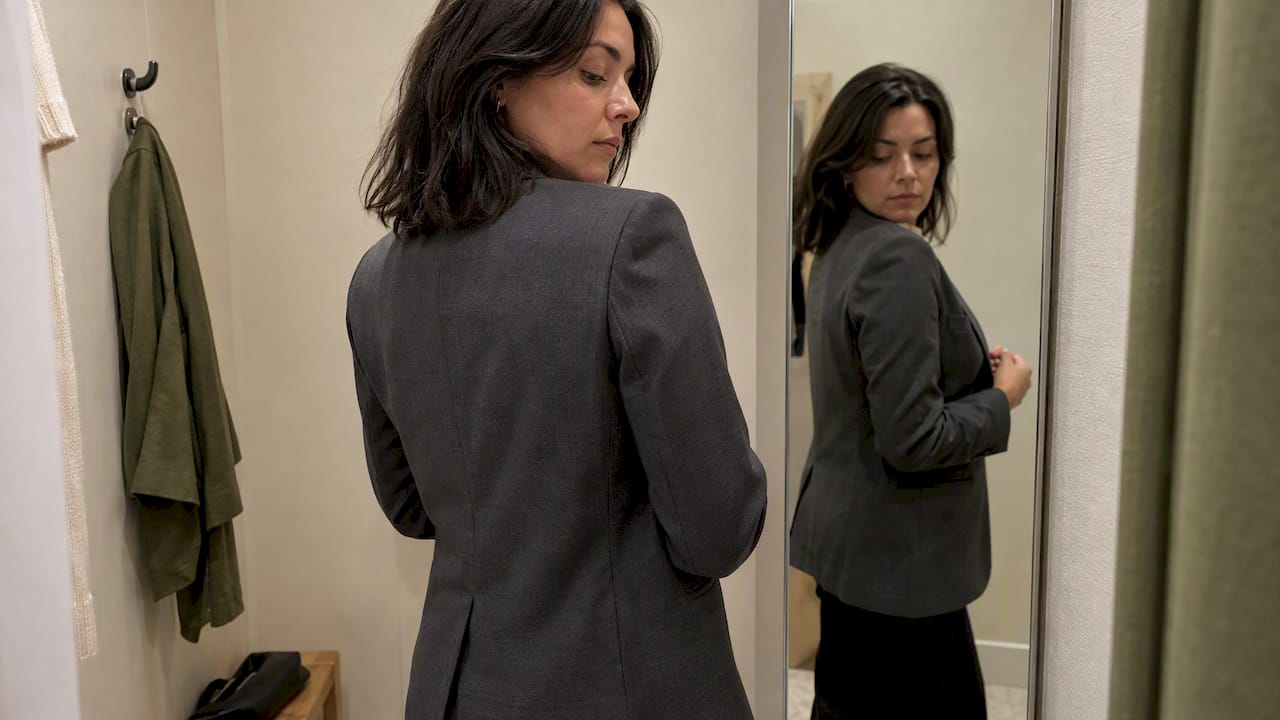
Fit affects longevity too. A properly fitted shoulder seam on a blazer, a waistband that sits without gapping on trousers, and enough ease through the hips on jeans all reduce the stress that eventually tears seams or stretches fabric out of shape.
Lifespan varies far more by how an item gets used than by what it is made of: a 2026 study tracking 160 adults across 12 garment categories found a casual T-shirt averaged several years of use, while a coat lasted somewhat longer but was worn far more often. That gap shows durability depends heavily on usage patterns, not just material.
Care habits extend that lifespan further. Washing in cold water, turning knits inside out, air-drying structured pieces like blazers and coats, and storing shoes with cedar shoe trees all slow the wear that eventually sends a staple to the donation pile.
4. Shopping smart and keeping staples in rotation
Not every piece deserves the same budget. Shoes, coats, and bags take the most daily stress and benefit most from spending more up front, while tees, basic tanks, and socks are reasonable places to save.
A few habits stretch every dollar further:
- Stick to a neutral palette for base pieces so new buys automatically coordinate with what you own.
- Shop fit first, color second: a perfectly fitted neutral beats a trendy color that sits unworn.
- Check construction details in photos before buying online, zooming in on seams, buttons, and hardware.
Pro Tip: Keep a small sewing kit at home for loose buttons and hems. A five-minute fix often saves a piece that would otherwise get retired.
Mending and alterations add years to pieces that fit well but show small wear. A local tailor can resole boots, replace a jacket lining, or take in a waistband for a fraction of a replacement’s cost, and stylists who buy the same investment pieces repeatedly often credit this kind of upkeep for why those pieces last.
Secondhand and resale options are worth considering for investment categories like coats and bags, where quality construction at a lower price point is more available than in fast-fashion basics. Selling pieces you no longer wear also funds the next staple without expanding your total spend.
5. Printable checklists for compact or extended wardrobes
A checklist only works if you can actually use it while shopping or packing. We built two versions: a compact 20-item list covering the core categories above, and an extended 30-plus version that adds seasonal layers, accessories, and loungewear.
Customize either version by lifestyle before printing:
- Commuters add one extra pair of comfortable walking shoes and a crossbody bag.
- Remote workers can trade one blazer for a second cozy sweater.
- Formal-dress workplaces add a second tailored trouser and one more button-down.
- Casual lifestyles can skip the second blazer and add a third pair of jeans instead.
| Checklist version | Core item count | Best for |
|---|---|---|
| Compact | 20 items | Minimal closets, frequent travel |
| Extended | 30+ items | Varied schedules, seasonal climates |
For a digital version you can check off and reorder, build a simple outfit tracker in a notes app or spreadsheet, logging what you wore each day. That log becomes its own audit tool after a few weeks, showing you exactly which staples earn their place.
6. Stylist-tested rules behind this checklist
Working stylists tend to repeat the same handful of rules because they consistently prevent closet clutter and wasted spending.
- Run a wear-what-you-own audit before any shopping trip, pulling the last two weeks of worn outfits to spot real patterns.
- Apply the buy-to-match-3 rule to every potential purchase, skipping anything that cannot pair with three existing pieces.
- Plan outfits around a tight budget first, filling true gaps before adding anything aspirational.
- Revisit the closet seasonally rather than constantly, since most wardrobes need adjusting four times a year, not four times a month.
These rules work because they treat the closet as a system rather than a collection. A wardrobe-management workflow that centralizes saved items and existing pieces in one place, rather than scattered across screenshots and notes, makes it far easier to apply the buy-to-match-3 rule consistently instead of guessing from memory.
— Wendy
7. Using saved items from Style To Cart in your planning
Once you have a checklist, the next challenge is keeping track of what you are considering buying versus what you already own. We built a tool to solve exactly that gap: saving clothing items from any online store into one wishlist instead of scattered screenshots and open browser tabs.
When a potential staple catches your eye, say a trench coat or a pair of boots, save it to your wishlist instead of buying on impulse. Then build outfits using pieces you already own alongside that saved item, which makes the buy-to-match-3 rule concrete rather than theoretical. If the saved coat pairs with at least three things already hanging in your closet, it earns a spot on your shortlist.
This workflow also helps separate true staples from trend-driven impulse adds. A saved item that sits in a wishlist for a few weeks without pairing well with anything you own is a useful signal to skip it, while one you keep styling in your head is probably worth the purchase. Organizing saved finds this way turns the checklist from a static list into an active planning tool you revisit before every purchase.
8. Tracking price drops before you buy
Timing a purchase well often matters as much as choosing the right staple. Investment pieces like coats, boots, and tailored blazers frequently see seasonal price drops, and buying at the wrong moment means paying full price for something that goes on sale weeks later.
Saving a staple to a tracked wishlist lets you watch its price over time instead of checking back manually or forgetting about it entirely. When a saved item drops in price, an alert means you can act on the deal immediately rather than missing the window.
This approach pairs naturally with the buying sequence from earlier: fill true basics first at regular price since you need them now, then let investment pieces sit on a tracked wishlist until a price drop makes the purchase easier to justify. Patience on bigger-ticket staples, backed by a price alert instead of guesswork, usually saves more than chasing short-term sales on items you were not actually planning to buy.
9. A week of outfits built from eight staples
To test the checklist, I built a week of outfits from eight pieces: white tee, dark jeans, blazer, button-down, midi skirt, ankle boots, sneakers, and a neutral sweater. Monday paired the tee, jeans, and blazer for a meeting. Tuesday swapped the blazer for the sweater. Wednesday went midi skirt, button-down, and ankle boots. Thursday repeated the tee and jeans with sneakers for errands. Friday mixed the sweater over the button-down with the skirt. Seven looks, eight pieces, zero repeats in silhouette.
The lesson: staples earn their keep through combinations, not variety. One trend piece added for texture kept the week from feeling repetitive without expanding the actual shopping list.
Build and track your checklist with Style To Cart
A checklist works best when you can actually see your progress against it. Instead of juggling screenshots, browser tabs, and mental notes about what you still need, we let you save clothing items from any store into one organized wishlist, so every staple you are considering lives in a single place.
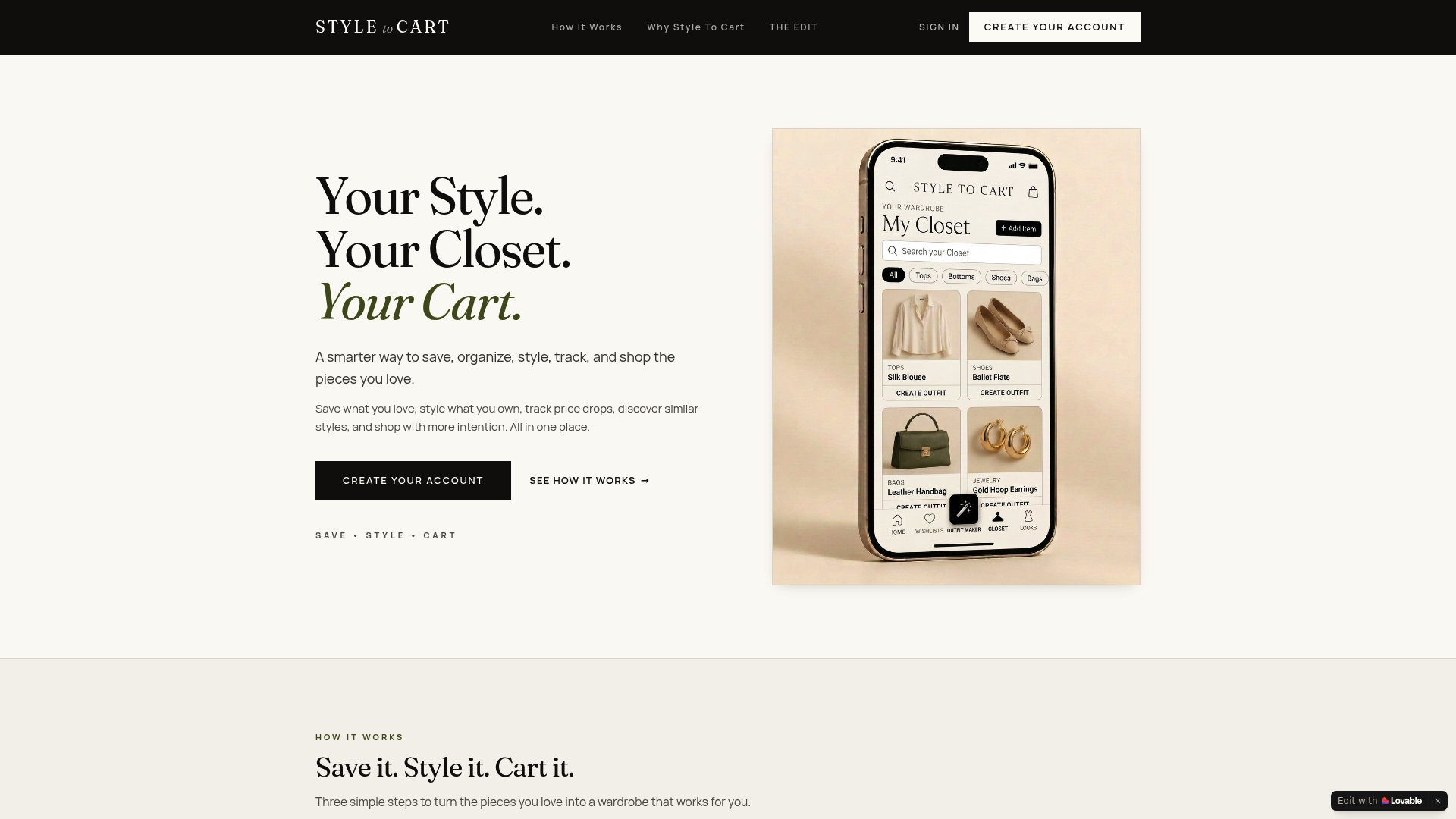
From there, you can build outfits using pieces you already own alongside anything new you are considering, which makes the buy-to-match-3 rule something you can check visually instead of guessing. We also track price drops on saved items, so investment pieces like coats or boots can wait for a better price without you having to remember to check back.
This is not a required step to use the checklist above, it is a practical way to apply it without losing track of what you have saved, what you own, and what is actually worth buying. If you want to put your wardrobe staples checklist into an organized, trackable format, start building your wishlist on Style To Cart.
FAQ
What should you have in your wardrobe?
A versatile wardrobe should include core basics like a white tee, dark jeans, a tailored blazer, a neutral sweater, versatile shoes, and one reliable outerwear piece, plus a few investment items like a quality coat and bag. The exact mix depends on your lifestyle, but the goal is pieces that combine into multiple outfits rather than items that only work alone.
What is the 5-4-3-2-1 method of wardrobe?
The 5-4-3-2-1 method is a wardrobe-planning framework that suggests five tops, four bottoms, three layering pieces, two pairs of shoes, and one bag as a scalable starting point for a capsule wardrobe. It works best as a flexible guide you adjust to your actual week rather than a strict rule.
What are 33 items of clothing?
There is no single official “33 items” standard; it typically refers to extended capsule wardrobe lists, similar to the 30-plus essentials editorial lists that mix classic staples like a white tee, trench, and blazer with a few seasonal or statement pieces. Definitions vary by source, so treat the number as a loose target rather than a fixed rule.
What is the 3-3-3 rule for clothes?
The 3-3-3 rule asks you to commit to wearing three tops, three bottoms, and three pairs of shoes on repeat for a set period, which helps you notice which pieces you actually reach for. It is a practical way to test whether your current staples earn their place before adding anything new.
How many pieces are in a basic wardrobe staples checklist?
A compact wardrobe staples checklist typically runs around 20 items, while an extended version covering seasonal layers and accessories can reach 30 or more. Either length works as long as every piece coordinates with at least a few others you already own.
Sources
- Clothing lifespans: what should be measured and how
- Is price an indicator of garment durability and longevity?
- 30+ wardrobe essentials that should be in your closet in 2026 | Vogue