
Clothing Shopping List: Buy Anchors Before Extras
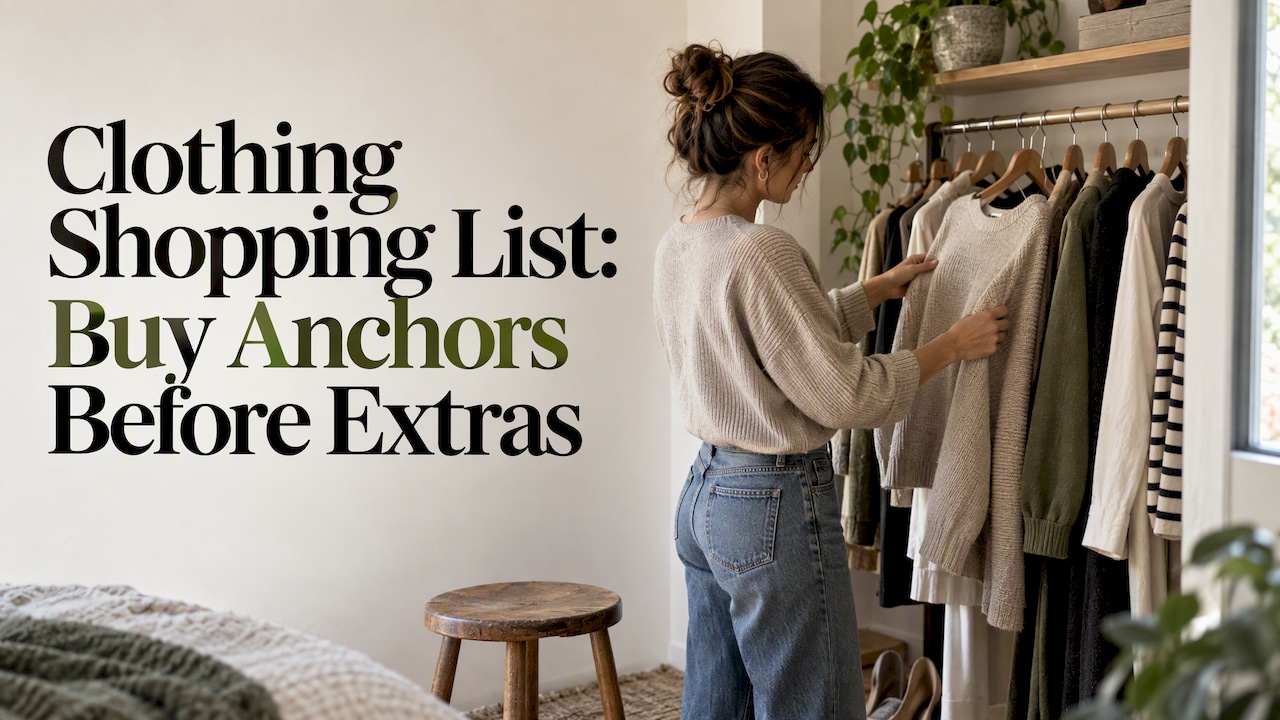
A compact, categorized clothing shopping checklist, built around core essentials plus two capsule-size targets, is the simplest way to stop impulse buys and build outfits you actually wear. Below, you’ll find the full checklist organized by category, a system for using it to plan purchases, and a quick way to tell which pieces are worth the price before you buy them.
TL;DR:
- Sort clothing unworn in the past 12 months into mend, donate, or sell; the cleared closet reveals which categories actually need filling.
- Before saving an item, picture three outfits using clothes you own, then prioritize neutral anchors such as jeans, a blazer, and a coat.
- A minimal capsule typically contains a dozen to a couple dozen pieces, while an expanded version adds seasonal options, extra tops, and color variety.
- A $60 sweater worn 60 times costs $1 per wear, but the calculation is less useful for one time outfits or unrealistic wear estimates.
- Research found that side by side cost per wear comparisons shifted shoppers toward higher quality, longer lasting clothing, especially for everyday purchases.
Table of Contents
- 1. The categorized clothing checklist and capsule sizes
- 2. How to use the checklist: audit, outfit test, and buying order
- 3. Budgeting with cost per wear: a research-backed shortcut
- 4. Wendy’s practical notes on manageable wardrobe building
- How Style To Cart keeps your shopping list organized
- FAQ
- Sources
1. The categorized clothing checklist and capsule sizes
A working checklist separates clothing into categories so you can see gaps at a glance, instead of guessing what’s missing from your closet. Here’s the full list, organized the way we’d suggest building a wishlist.
Tops
- Several neutral tees in colors that match everything you own
- A few button-up shirts for layering or dressing up
- A lightweight knit or sweater for transitional weather
- A cami or tank top for layering under jackets or on warm days
Bottoms
- At least one pair of well-fitting jeans suitable for daily wear
- Tailored trousers for work or smarter occasions
- A versatile skirt that pairs with both casual and dressy tops
- Casual bottoms like joggers or shorts for off-duty days
Outerwear
- A lightweight layering jacket for mild weather
- A blazer that upgrades jeans or trousers instantly
- A weather-appropriate coat suited to your actual climate
Dresses
- One versatile dress that works for day and night with a change of shoes
- An optional seasonal dress for specific occasions or weather
Shoes
- A pair of everyday sneakers
- Boots for colder or wetter months
- Flats for comfort without sacrificing polish
- One dress shoe for occasions that call for it
Accessories and basics
- A belt that works with both jeans and trousers
- A scarf for warmth or styling
- An everyday bag that fits your routine
- Socks and underwear in quantities that match your laundry habits
- A few activewear pieces and sleepwear basics
For capsule sizing, a minimal capsule typically consists of a dozen to a couple dozen pieces covering core categories, chosen for maximum mixing. An expanded capsule includes a larger number of pieces, adding seasonal variations, extra tops, and a wider color range. The difference lies in repetition and backup rather than quality.
Fit matters more than fabric trends. Choose natural fibers like cotton, wool, and linen for breathability, and pay attention to how a garment drapes on your actual body rather than how it looks on a model. If you live somewhere hot and humid, lean on lighter weaves and skip the heavy coat; if winters are harsh, the coat moves from “optional” to “first purchase.” A reliable, warm layer, such as one in BlockBoundRI’s sweatshirt collection can anchor a casual capsule without needing much else around it.
2. How to use the checklist: audit, outfit test, and buying order
Before you add anything to a wishlist, run a quick closet audit. Pull everything you own and sort it into three piles using a simple rule: if you haven’t worn it in the last 12 months, it goes into mend, donate, or sell. This clears out dead weight and shows you which checklist categories are actually empty.
- Audit your closet using the 12-month wear rule, sorting into keep, mend, or donate.
- Apply the Three Looks Rule: before adding any item to your list, picture at least three outfits you could build with it using pieces you already own.
- Buy anchors first: neutral, well-fitting foundational pieces like jeans, a blazer, and a coat.
- Add flex pieces second: items that bridge casual and dressy, like a versatile skirt or knit.
- Add statement pieces last: anything trend-driven or occasion-specific.
This order protects your budget. Anchors get worn constantly, so they justify spending more upfront, while statement pieces are the first thing to feel dated. For a deeper look at planning purchases around what you already own, our post on budget outfit planning walks through this in more detail.
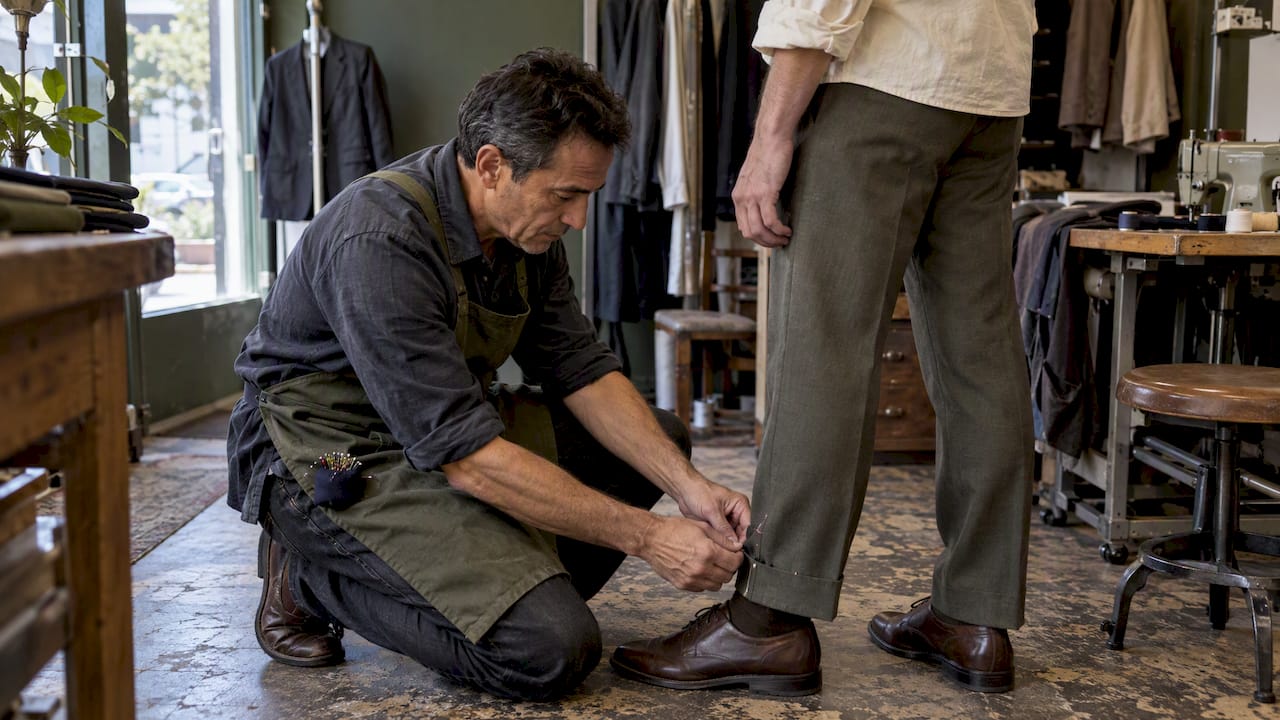
Fit is worth real attention here too. Measure yourself rather than relying on a size label, and don’t skip tailoring on pieces that are close but not quite right, a few dollars at a tailor often turns an “almost” item into a daily wear.
Pro Tip: Keep your buying order visible on your wishlist itself: label each saved item “anchor,” “flex,” or “statement” so you shop in the right sequence.
3. Budgeting with cost per wear: a research-backed shortcut
Cost per wear (CPW) is just the price of an item divided by how many times you expect to wear it. A $60 sweater worn 60 times costs $1 per wear; the same sweater worn 10 times before it falls apart costs $6 per wear, even though the price tag never changed.
Research backs this up directly: experiments on cost-per-wear communication found that showing shoppers CPW information shifted preference toward higher-quality, longer-lasting items, especially when options were compared side by side and for everyday purchases. A press summary of the research adds that this effect holds up well enough to influence real buying decisions, not just stated preferences.
CPW has real limits. It’s less useful for a one-time occasion outfit you won’t repeat, and it only works if your wear estimate is honest rather than hopeful.
- Add a CPW line to your shopping list for anything over your usual price point: price, expected wears, and the resulting number.
- Favor items where CPW drops the more you picture wearing them across multiple outfits.
4. Wendy’s practical notes on manageable wardrobe building
Start with anchors and let yourself pass on anything that doesn’t earn a spot through the Three Looks Rule. The closet is never finished, it’s an ongoing project, not a one-time purchase spree.
Tailoring is the highest-leverage dollar you’ll spend. A $15 hem often outperforms a $150 impulse buy. For more on the pieces worth repeating, see stylist notes on what I buy again.
— Wendy
How Style To Cart keeps your shopping list organized
Once you’ve built your checklist, keeping it from turning into scattered screenshots and forgotten tabs is the real challenge. Style To Cart centralizes every saved item into one wishlist, no matter which store it came from.
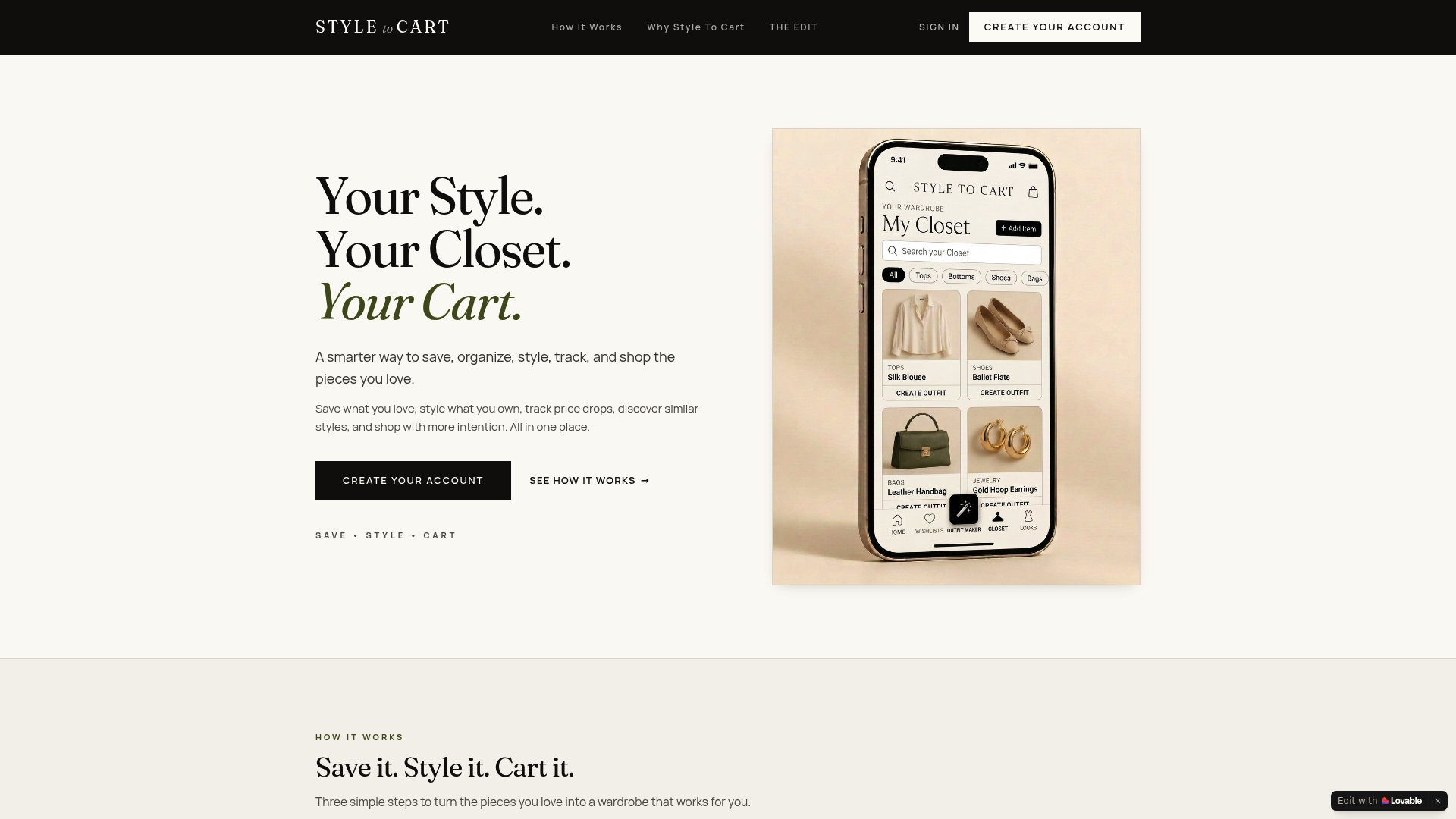
- Save anchors, flex pieces, and statement items from any store into one list.
- Build outfit formulas using pieces you already own alongside new saves.
- Receive alerts about price changes on saved items.
- Upload an outfit photo to find similar styles worth adding to your list.
A simple workflow: audit your closet, save what’s missing to your wishlist, organize it by anchor, flex, and statement, then let price-drop alerts tell you when to buy. Start building your list with the checklist above as your starting point.
FAQ
Where can I find clothing ideas?
Look to capsule wardrobe checklists, outfit formula guides, and stylist blog posts for structured ideas rather than scrolling endlessly. Saving outfit photos and similar-style finds into one organized wishlist, like the one described above, also makes it easier to spot gaps and generate new combinations from pieces you already own.
What is the 5-4-3-2-1 rule for packing?
The 5-4-3-2-1 rule is a packing shorthand some travelers use: roughly 5 tops, 4 bottoms, 3 pairs of shoes, 2 dresses or sets, and 1 jacket, mixed and matched for a short trip. It works the same way a capsule wardrobe does, prioritizing pieces that combine into multiple outfits rather than packing one look per day.
Can you give me a list of clothes?
Yes: a solid starting list includes neutral tees, a button-up, jeans, tailored trousers, a blazer, a weather-appropriate coat, a versatile dress, sneakers, boots, flats, and basics like a belt, bag, socks, and underwear. A minimal capsule typically consists of a dozen to a couple dozen pieces, while an expanded capsule includes a larger number of items for more variety.
What are the best clothes you can buy?
The best purchases are well-fitting, neutral anchor pieces that work across multiple outfits and hold up over many wears, since they lower your cost per wear and reduce how often you need to replace them. Research on cost-per-wear communication found this kind of comparison nudges shoppers toward exactly these higher-quality, longer-lasting options.
Sources
- Shifting Toward Quality: How Communicating “Cost per Wear” Influences Consumer Preference for Clothing
- Showing shoppers the ‘cost per wear’ of their clothing choices could make fashion greener